Sewer Scope
Sewer Scope
Purpose and Limitations of a Sewer Scope Inspection
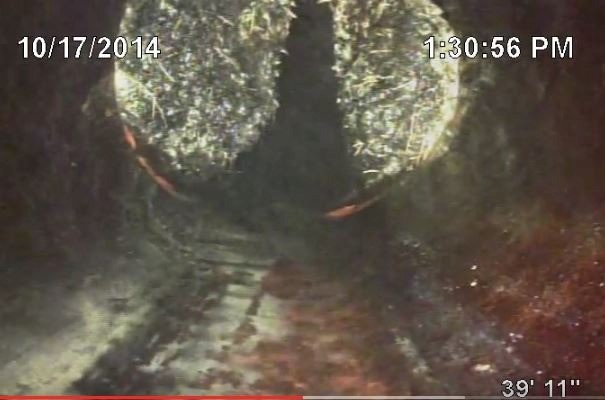
A sewer scope inspection is a non-invasive diagnostic procedure that uses a high‑resolution, waterproof camera on a flexible rod to visually examine the interior of a home’s main sewer line (lateral) from the plumbing system to the municipal main or septic tank.
Purpose
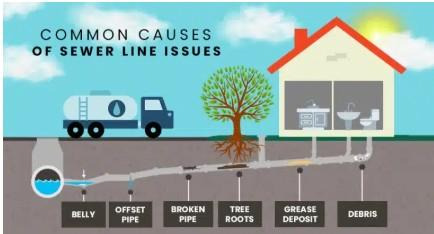
- Identify hidden defects: Detect blockages, cracks, collapses, root intrusions, and other structural issues not visible above ground.
- Assess pipe condition: Determine the material and integrity of the sewer line, which is the homeowner’s responsibility to maintain.
- Prevent costly repairs: Catch problems early to avoid expensive replacements or major cleanouts.
- Due diligence for buyers: Reveal the true condition of the sewer line before purchasing, helping avoid inheriting costly repairs
- Guide maintenance or construction: Ensure the pipe is sound before landscaping, excavation, or foundation work. Limitations
- Not technically exhaustive: Cannot detect all possible defects, especially those that are concealed or latent.
- Date‑specific findings: Only reveals issues observed on the day of inspection; it does not predict future problems.
- Access restrictions: May not be able to move personal items or climb roofs if unsafe. If no available cleanouts are located a licensed plumber would need to be hired to remove and reset a toilet for access.
- Exclusions: Does not inspect crawlspaces or other inaccessible areas, and may not be able to access certain points if no cleanout or vent is available.
- Scope of work: The inspection is limited to the lateral sewer line; it does not cover the entire municipal main or other plumbing systems.
In summary:
A sewer scope inspection is a valuable tool for diagnosing the condition of a home’s sewer line, but it is not a complete guarantee of future performance. It should be used alongside other maintenance checks and, when possible, followed up with repairs or replacements as needed.
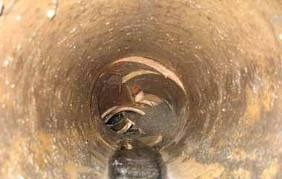
Collapsed section of sewer line
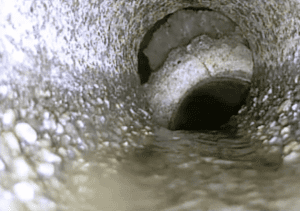
Sewer line offset